
The Browning Hangar

The Browning Hangar — A Question of Stewardship

The future of the Browning Hangar is already inside an active city process. The Mueller Development Agreement — which governs the disposition of remaining Mueller Airport properties, including the Hangar — expires December 31, 2027. How the City addresses the Hangar's long-term stewardship before that deadline will determine whether a successful, well-used public space is preserved or quietly erodes through administrative default.

A Structure Worth Knowing

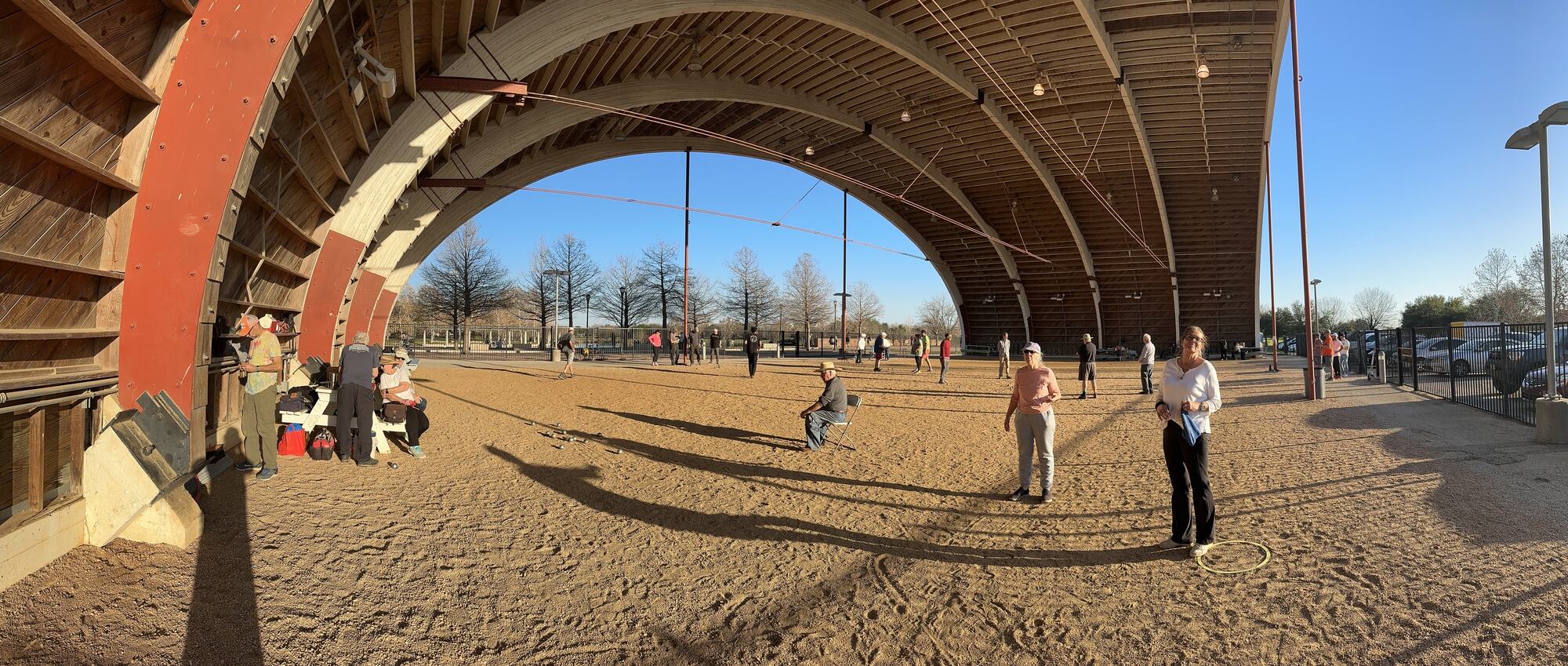
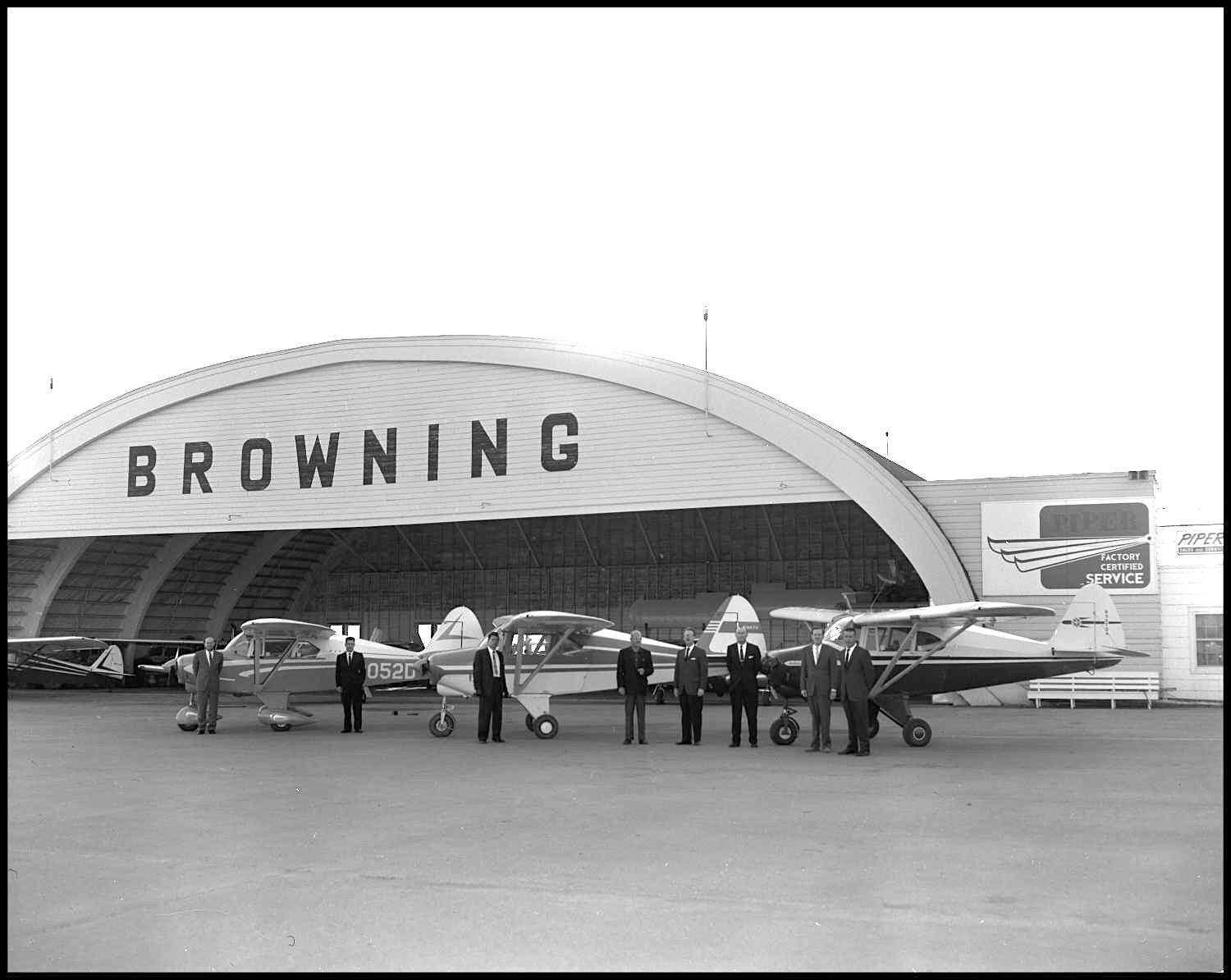
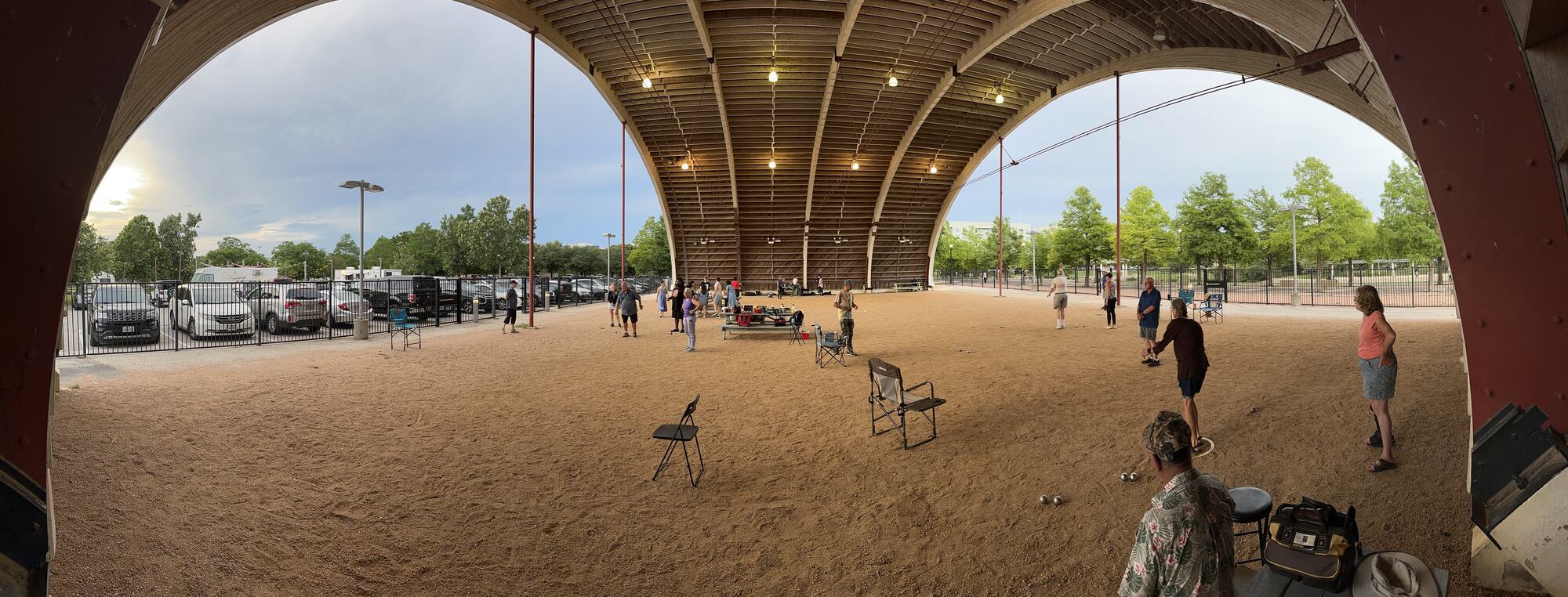
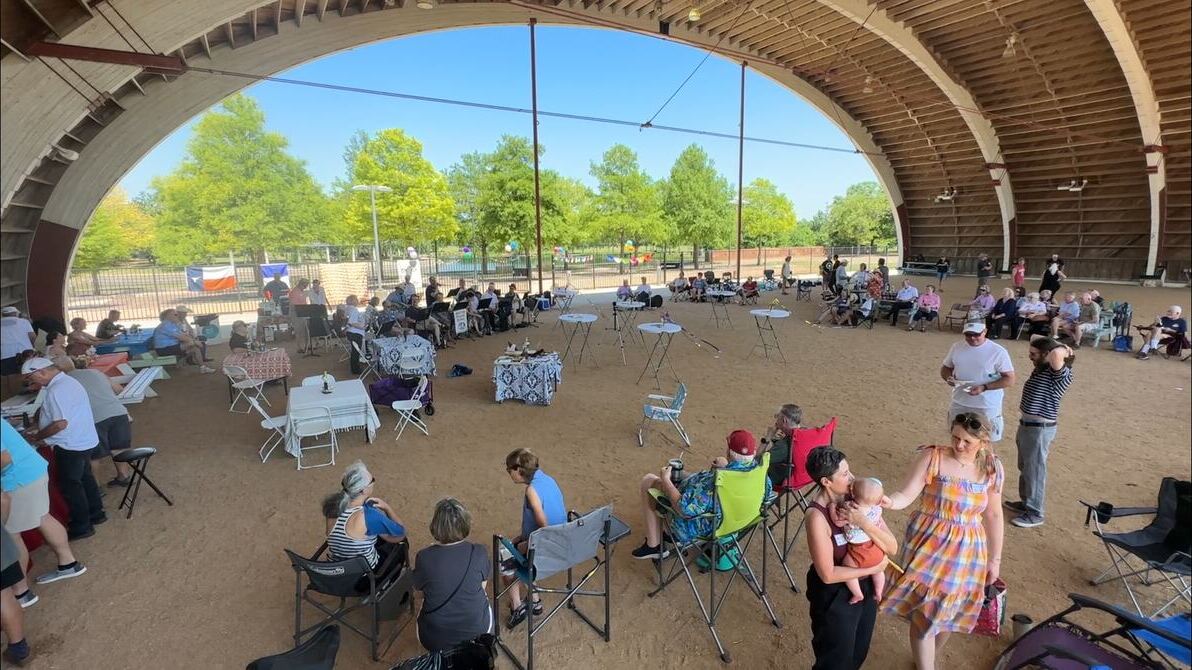
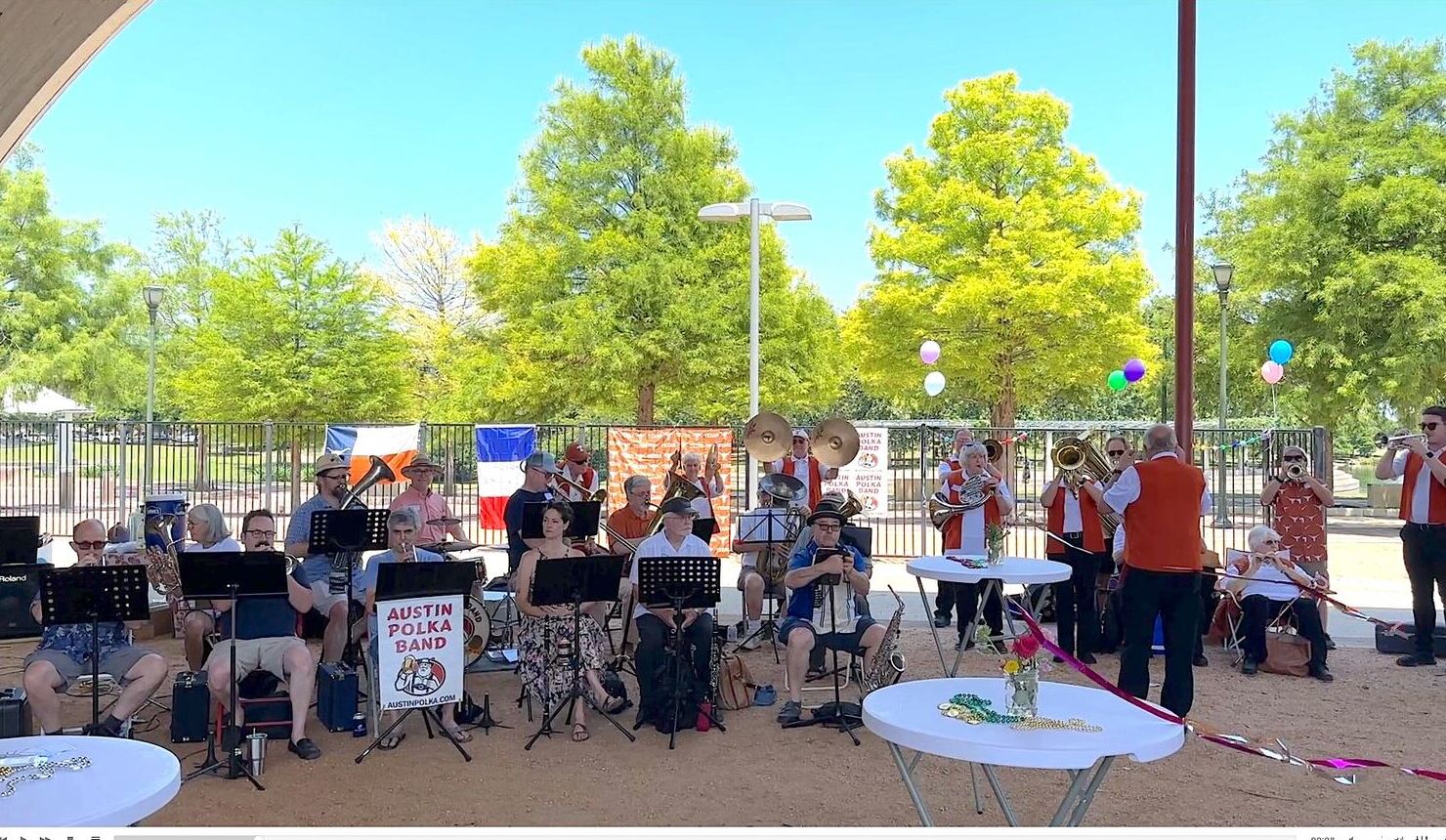
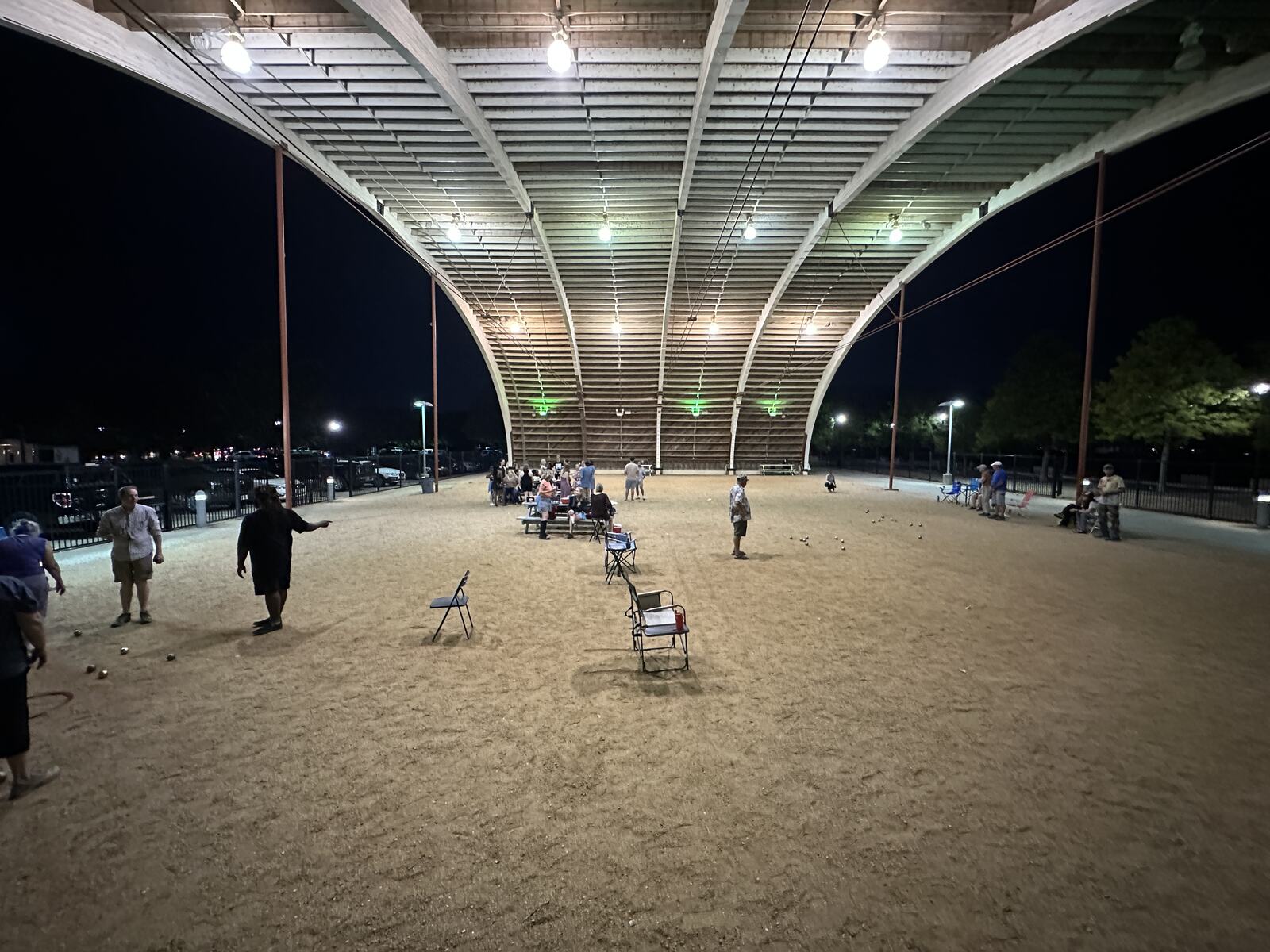
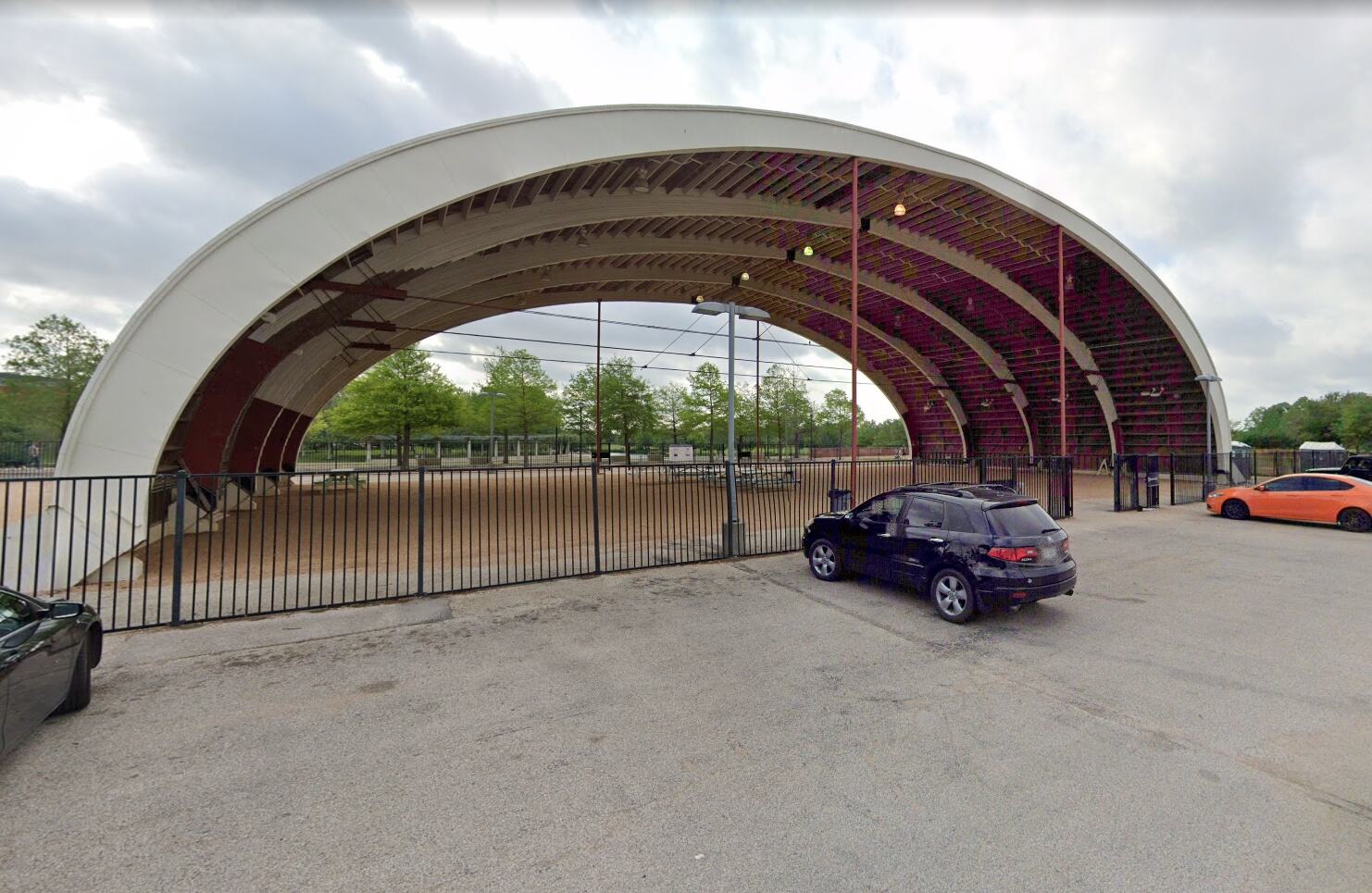
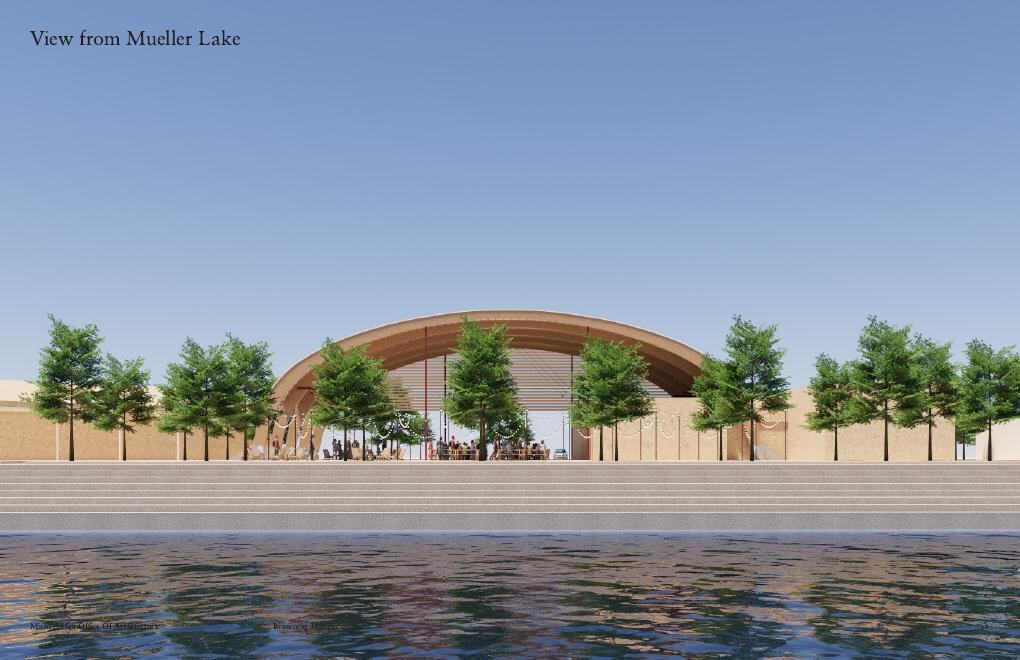
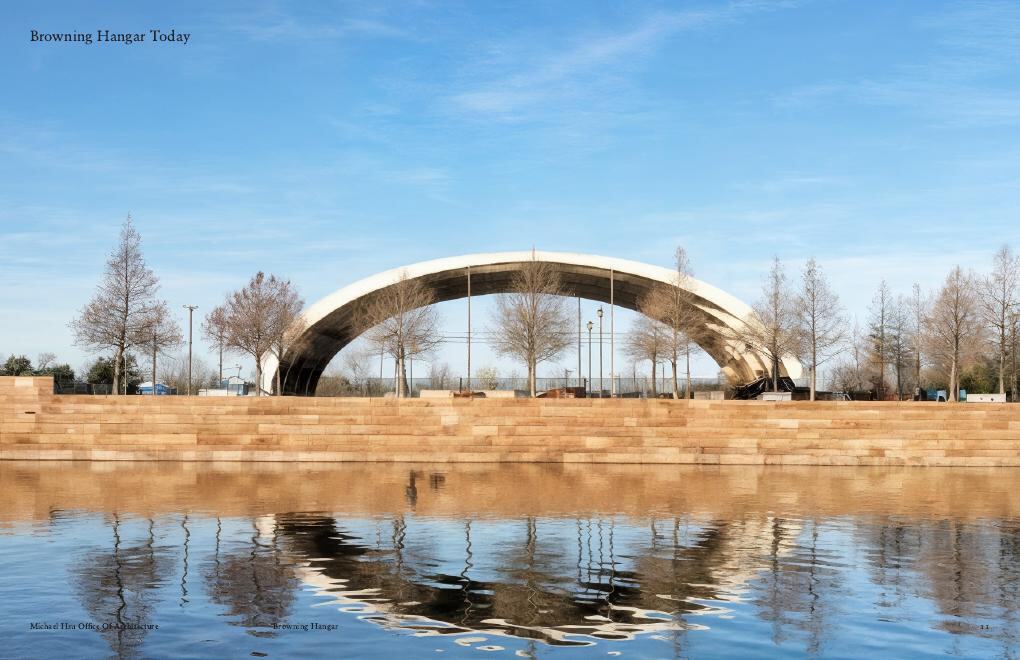
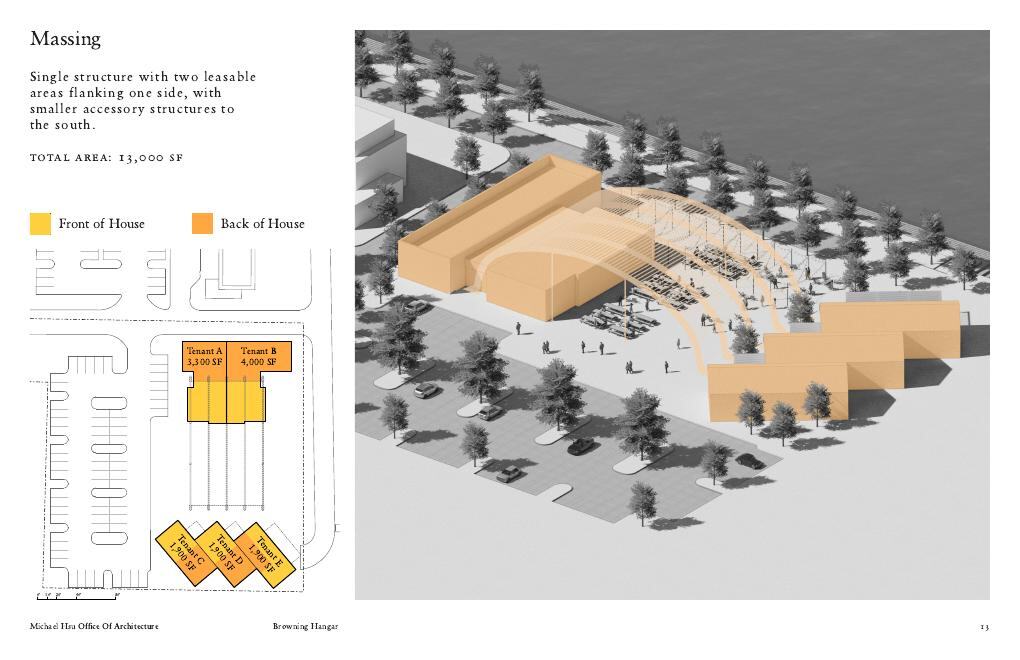
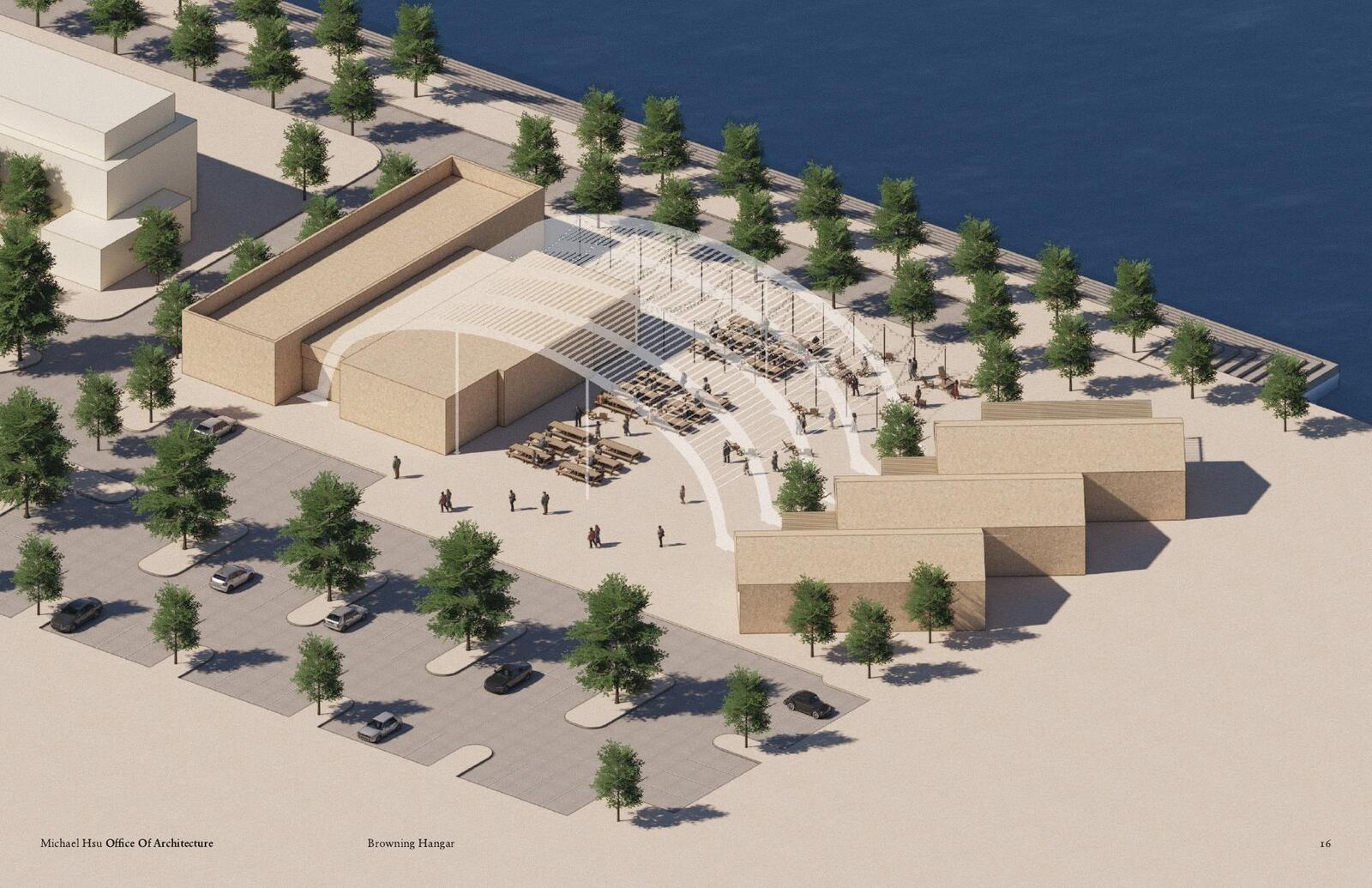
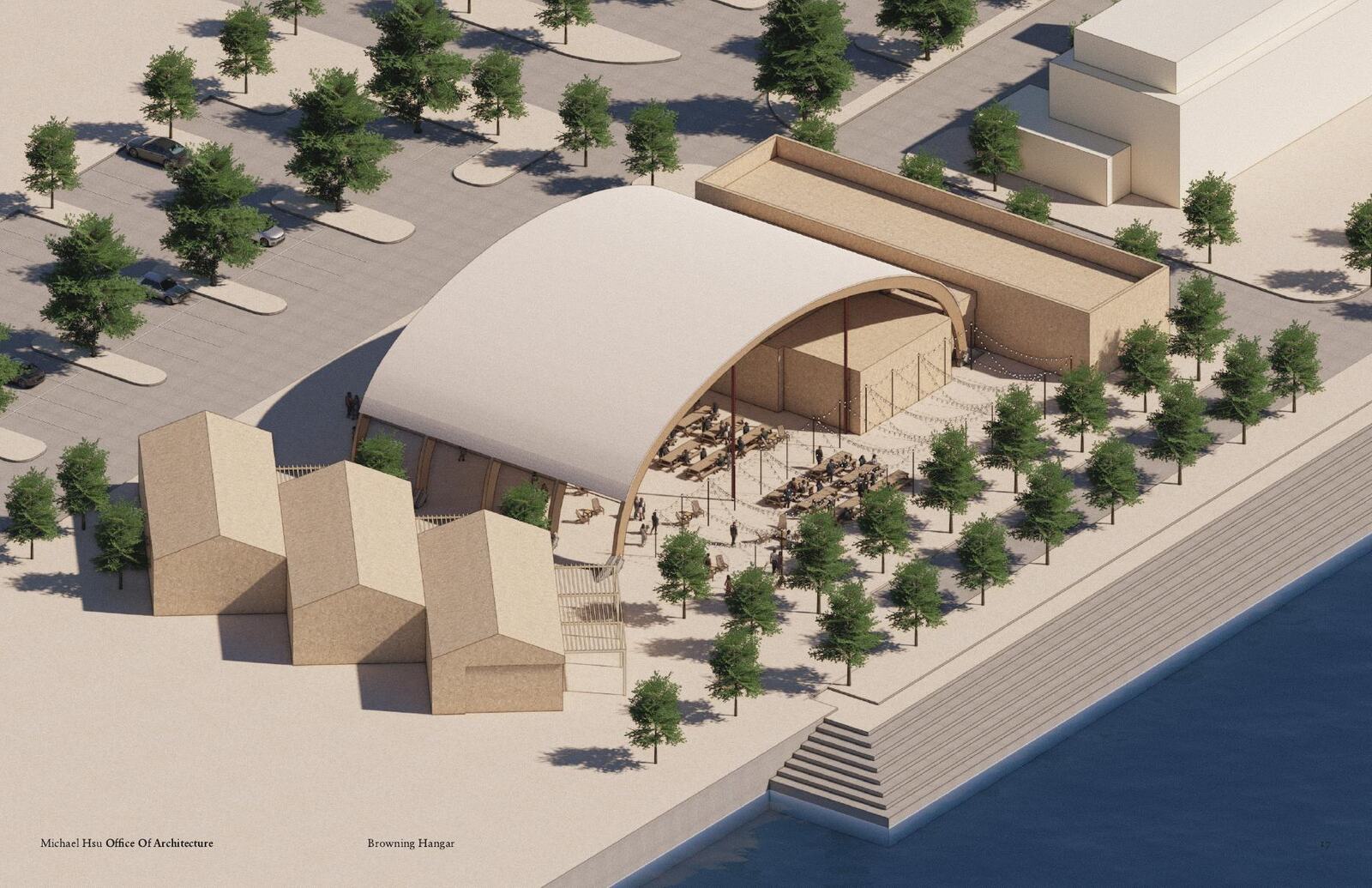
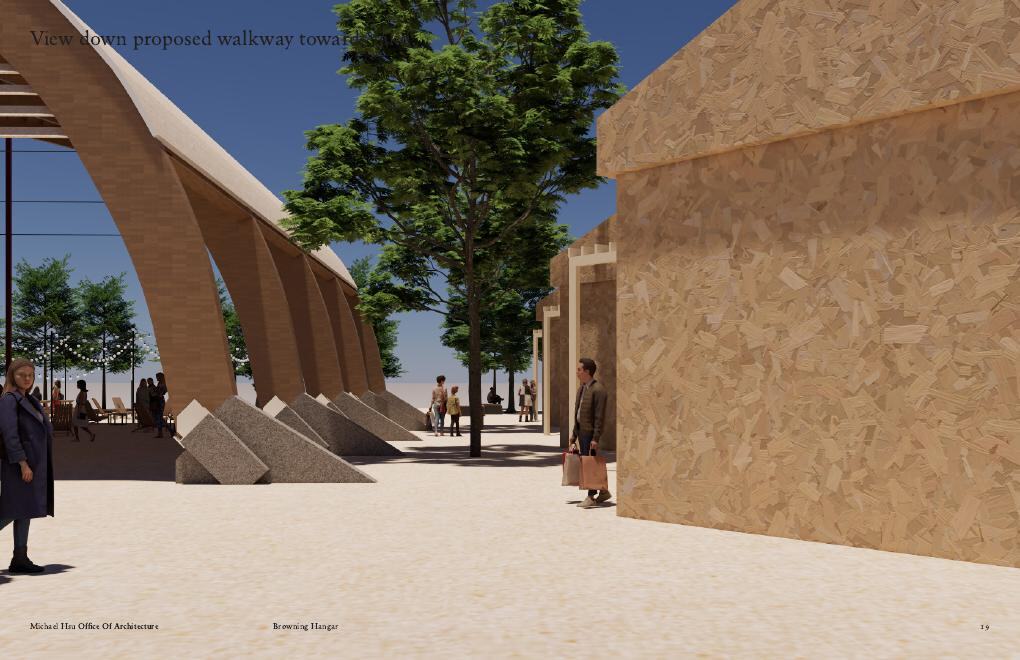
The Browning Hangar is one of the last remaining buildings from Austin's original municipal airport, Mueller Field. The structure is associated with Emma Browning, who operated a flight school on the grounds in the 1940s and helped train a generation of Austin pilots. Its distinctive bow-truss design and open span have survived for decades while everything around it changed. Today the Hangar functions not as a monument but as an active, open civic space used daily by a wide range of community members.

Emma Browning, Austin aviator and flight instructor, at Mueller Airport. The hangar bears her name.

A Living Public Space in Austin

Neighbors, families, and community groups gather here freely — for movement, recreation, conversation, and connection. There are no tickets, no reservations, no fixed programs. The Hangar works because it remains open, flexible, and shaped by the people who use it. That character is worth protecting deliberately rather than leaving to chance.

What the City's Own Commission Recommended

In 2024, the City of Austin's Public Improvement Advisory Commission (PIAC) adopted two formal, unanimous recommendations to City Council addressing the future of the Browning Hangar.

The August 2024 recommendation (adopted 8–0) urged City Council to consider ensuring permanent public accessibility for the Hangar, and explicitly recommended that a City partnership with a community-based nonprofit organization be explored — including the possible establishment of a conservancy — as part of a long-term management plan.

The November 2024 recommendation (adopted 8–0) called for amending Mueller's covenants to establish, in perpetuity, public access to Mueller landmark sites including the Browning Hangar.

These recommendations were transmitted to City Council and represent the clearest on-record guidance the City has issued on the Hangar's future. The Mueller Development Agreement's expiration creates a defined window for acting on them.

Why Stewardship Matters

Without a clearly defined stewardship structure, responsibility for the Hangar tends to fragment across departments and budget cycles. The result is not dramatic — but it is real: deferred maintenance, incremental access restrictions, and eventually, disposition decisions made by default rather than by intent.

A conservancy model — operating in partnership with the City, without transferring ownership or authority — provides the continuity and coordination that public spaces need to remain open, safe, and functional over time. Ownership, policy authority, and public accountability remain with the City.

Learn More

This site is organized to provide clear, accessible information for anyone interested in the Browning Hangar and its future as a public space. Each section explores a different aspect of how the Browning Hangar functions today — and how it might be thoughtfully supported over time. You can explore:

  • The Browning Hangar — its history, architecture, and civic significance
  • Stewardship — why cities use stewardship models to support public spaces over time
  • Capital Plan — a framework outlining core infrastructure investments
  • City Process — public ownership, accountability, and alignment with City frameworks
  • Community — how everyday use already shapes the space
  • Safeguards — transparency, limits, and public accountability
  • Next Steps — a measured, low-pressure path forward

A Note on Intent

This site is informational. It does not propose a specific plan or request immediate action. Its purpose is to support shared understanding of an existing question — one the City's own advisory commission has already identified as worth resolving before the Mueller Development Agreement expires.

Next, Stewardship.